
PTFE
PTFE is a fully fluorinated high-performance plastic based on polytetrafluoroethylene and known to many as Teflon®. The carbon chain of the polymer is completely ‘enveloped’ by fluorine atoms. This dense fluorine protective shield makes PTFE one of the most chemically resistant engineering plastics in existence: it is practically inert to most acids, alkalis and solvents; it is mainly attacked by liquid alkali metals and fluorine gas under pressure.
Typical properties of PTFE are:
- Extremely low coefficient of friction and very good sliding properties
- Very high temperature range, typically from approx. -200 °C to +260 °C (continuous use)
- Excellent chemical resistance and very good corrosion resistance
- Very good electrical insulation properties
- Flame retardant and no adhesion to the surface (‘non-stick effect’)
Mechanically, PTFE is significantly harder and less elastic than elastomers (typically Shore D in the range of 55–60). It also exhibits a pronounced tendency to creep or cold flow under continuous load. In sealing technology, PTFE seals are therefore structurally supported, e.g. by split grooves, support rings or the use of coated O-rings (PTFE sleeve with elastomeric core).
The properties can be specifically adjusted using fillers. Bronze, graphite, carbon or glass fibre-filled PTFE compounds increase, for example, compressive strength, wear resistance, thermal conductivity or electrical conductivity. This results in PTFE materials that are specially tailored to plain bearings, valve seats, dynamic sealing systems or heavily loaded sliding surfaces in chemical and plant engineering.
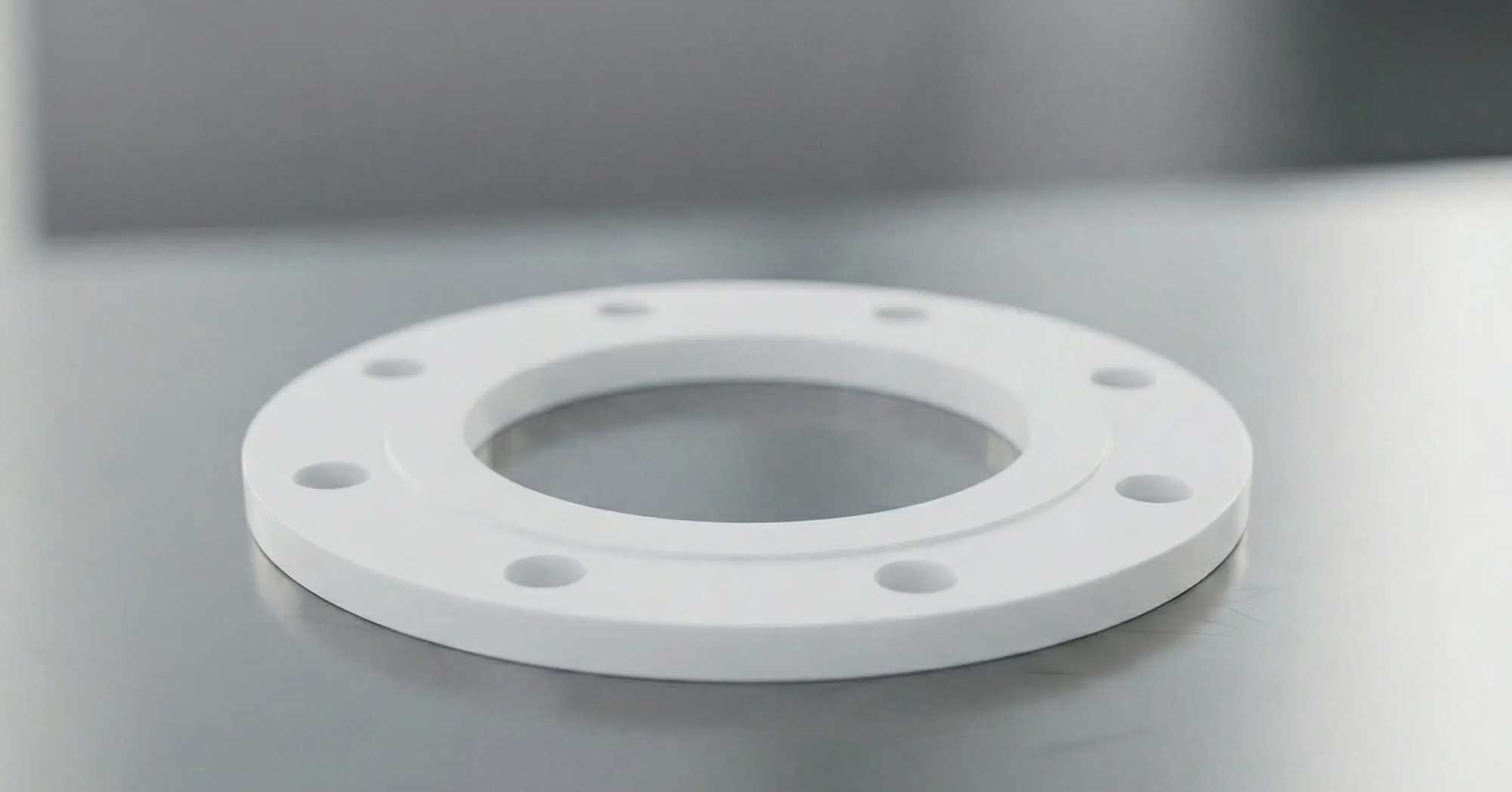
PTFE is used in the form of seals, profiles, plain bearings, valve seats, guide rings or customised PTFE moulded parts – wherever sliding properties, chemical resistance and extreme temperature resistance are crucial.
Disposal
According to the “Regulation on the European Waste Catalogue (AVV)”, the waste product made of PTFE can be classified according to Chapter 7 “Wastes from organic chemical processes” and the waste code 07 02 99. This waste code stands for waste classified as non-hazardous.
They can therefore be disposed of in normal household quantities with normal household waste. Please use the container provided by your public waste disposal authority for residual waste as the appropriate disposal container.
Contact