
Gap size
The gap dimension refers to the distance between two adjacent components – for example, between a shaft and a housing or between two housing halves. It is therefore a key measure for dimensional accuracy, manufacturing quality, and functional reliability. Uniform, defined gap dimensions demonstrate that design and manufacturing are precisely coordinated.
In the design process, the gap dimension is not only chosen for aesthetic reasons but is also technically justified. It influences, among other things:
- Assembly – Components should fit together without binding
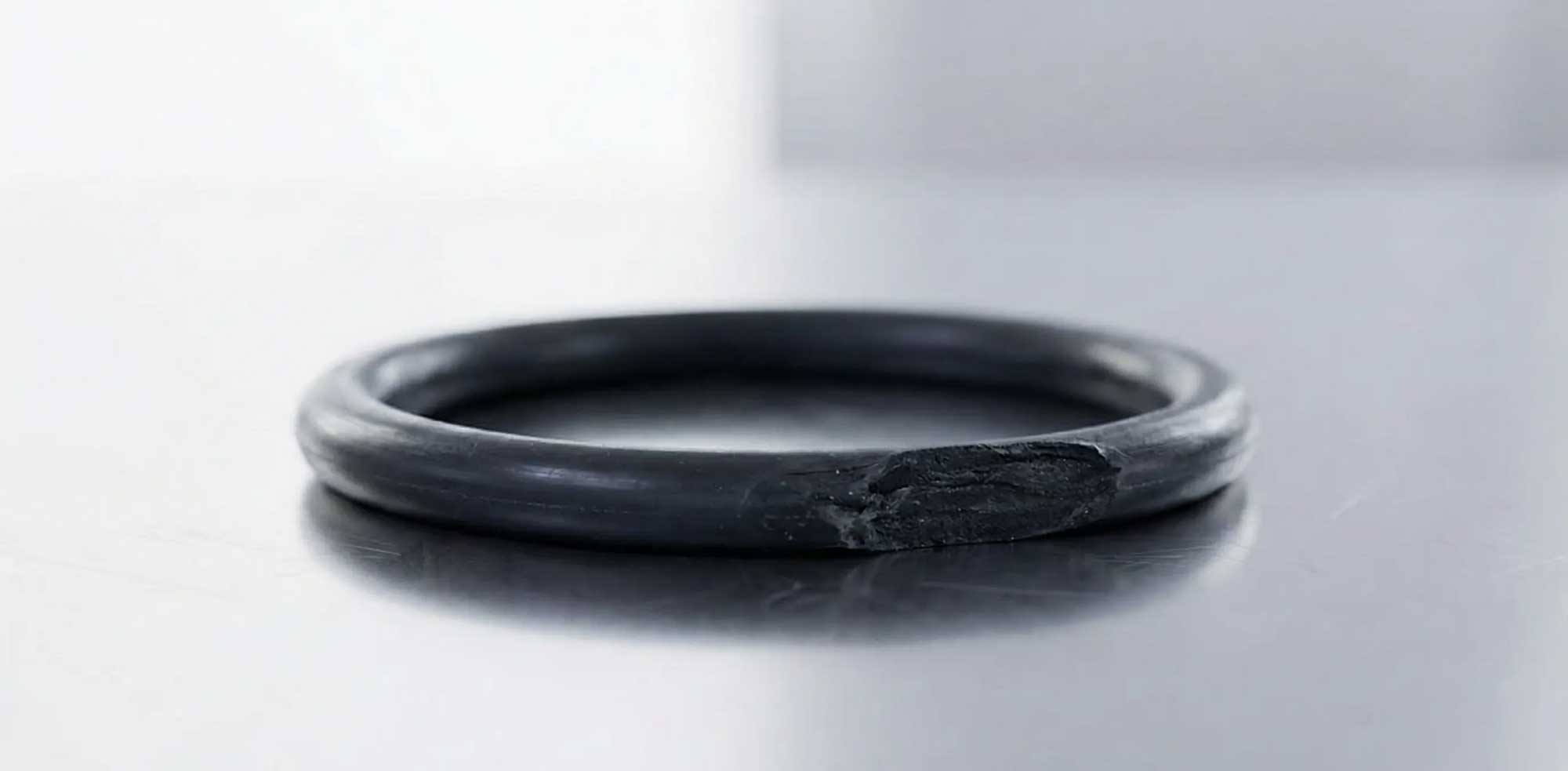
- Manufacturing tolerances – Real components always deviate slightly from the ideal dimensions. Thermal expansion – Components expand under temperature and load. Function and wear – Gaps that are too small lead to friction, gaps that are too large lead to play or leaks. Examples from practice: Vehicle and mechanical engineering: In car body construction, the gap dimension determines the appearance, aerodynamics, and noise development. Uniform gaps between doors, hoods, and bumpers reduce air turbulence, limit wind noise, and are perceived as a quality feature. In general mechanical engineering, defined gap dimensions also ensure that moving parts are guided with sufficient play but are not jammed. Seal Technology and O-Rings: The gap dimension is particularly critical for seals. With O-rings, profile and molded seals, or PTFE sealing elements, the term "sealing gap" is often used. If the gap between two components is too large—for example, with high pressures, soft elastomers, or unfavorable tolerance chains— This can lead to gap extrusion. In this process, the sealing element is pressed into the gap, shears off at the edge, and loses its sealing function. The consequences range from gradual leaks to total seal failure.
To minimize this risk, the following measures are taken:- Permissible gap dimensions are defined depending on pressure, temperature, and material,
- Support rings are used to limit the sealing gap,
- Suitable sealing materials (hardness, elastomer type, possibly PTFE) are selected,
- Static and dynamic gaps (e.g., lifting or rotating motion) are designed differently.
Importance in the design
The appropriate gap dimension; This is therefore a key criterion in: The design of sealing surfaces (O-rings, profiles, molded parts, encapsulated seals), The design of moving components (guides, bearings, valve seats), Precise functional surfaces with high requirements for leakage, noise, wear, or appearance. Through a well-thought-out gap dimension design – tailored to the material, load, temperature, and manufacturing process – the performance of sealing systems can be increased, failures reduced, and economical manufacturing tolerances utilized.
Contact